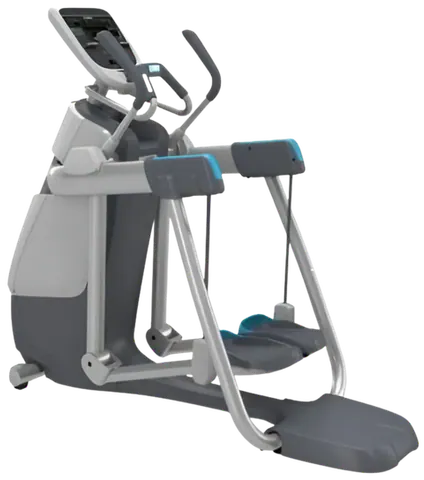
Adaptive Motion Trainers & Ascent Trainers for Sale
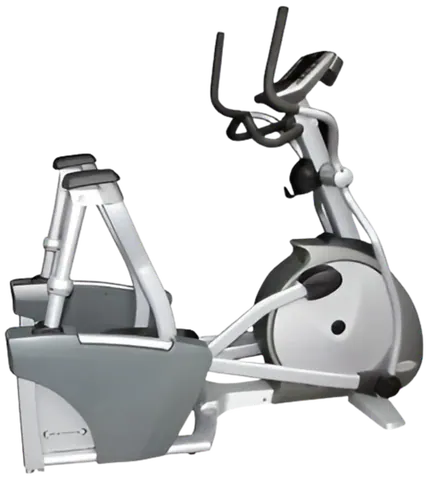
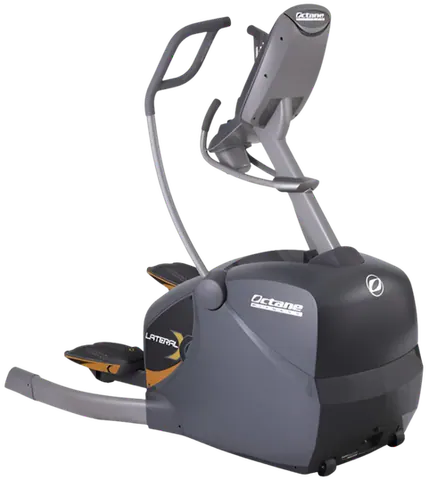
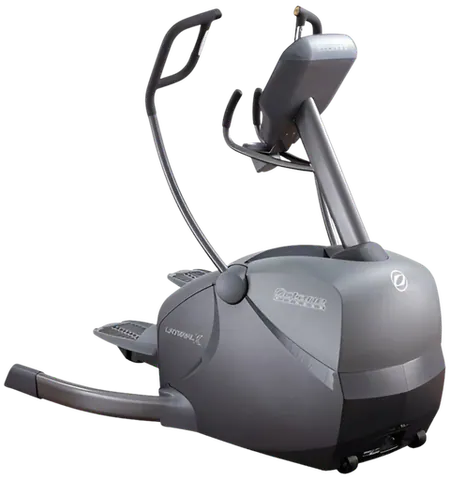
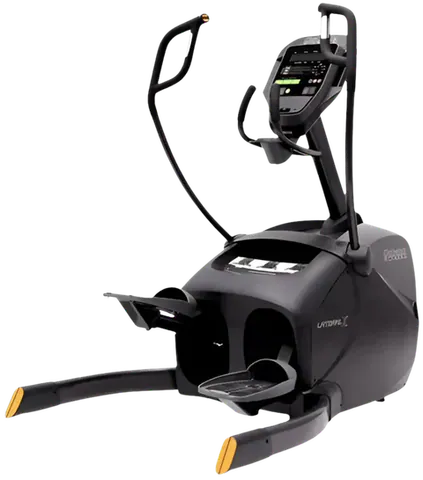
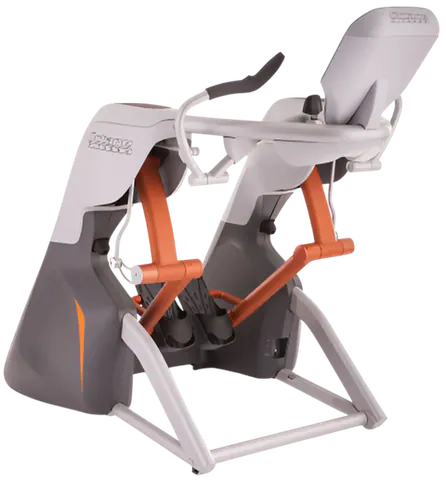
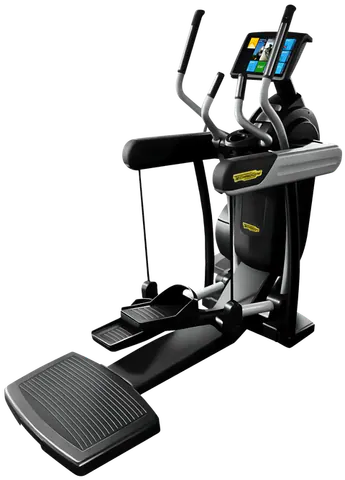
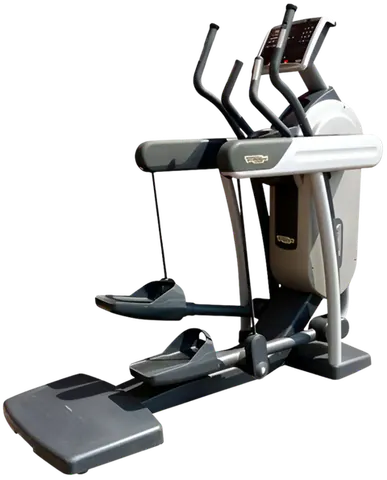
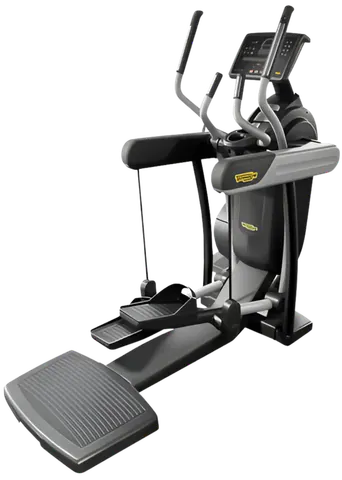
Adaptive motion trainers have no fixed stride. The user controls the path with their own motion, moving seamlessly from a short step to a long lunge or a running stride without pressing a button. That variability keeps workouts fresh and recruits more muscle than a fixed-path elliptical.
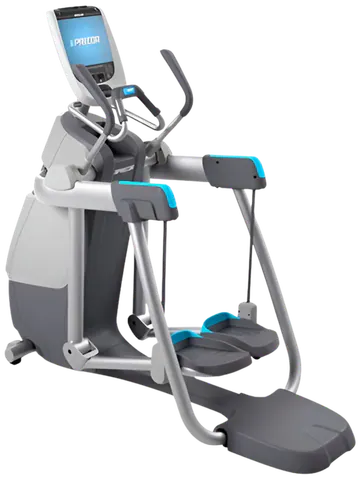
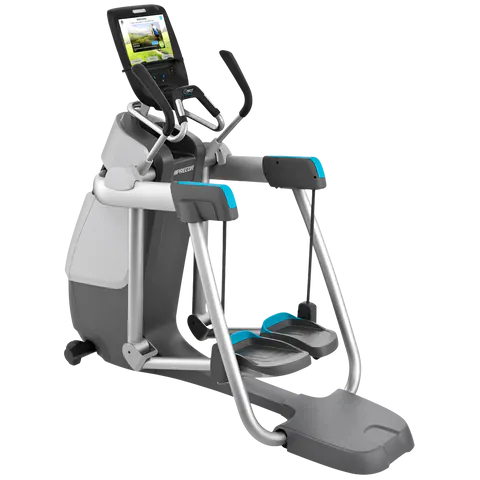
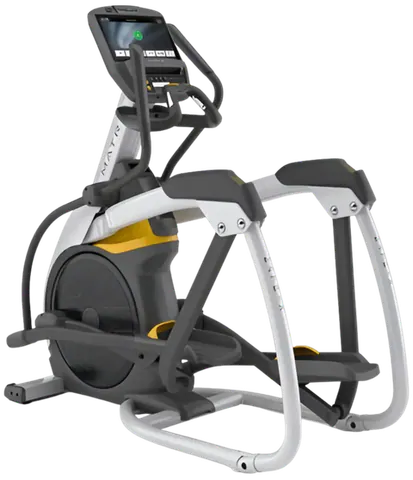
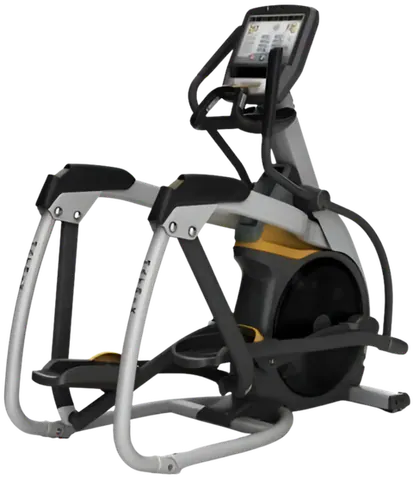
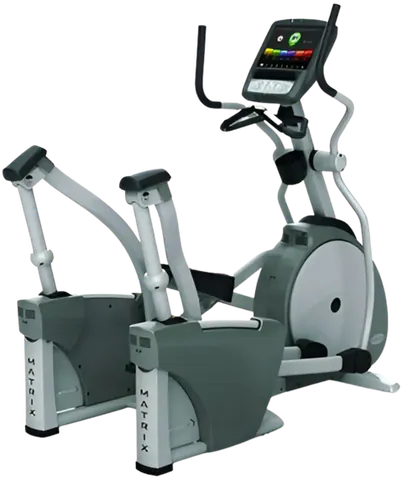
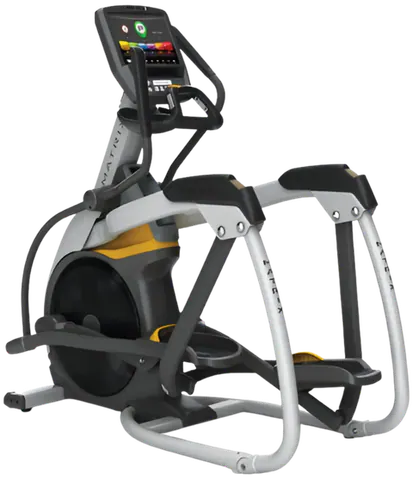
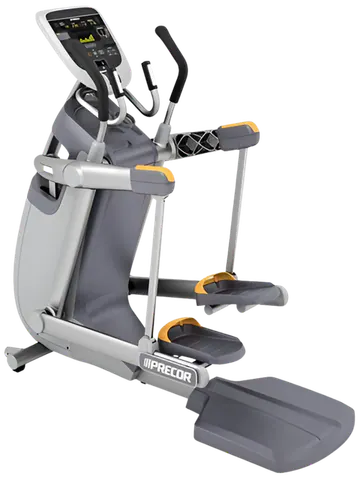
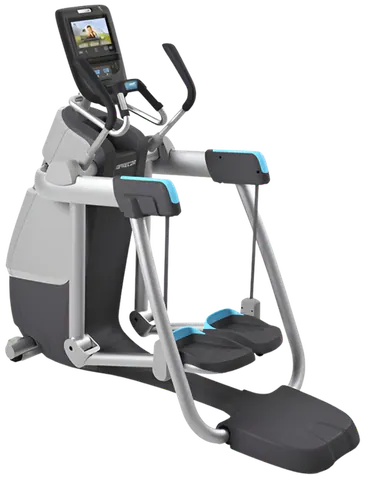
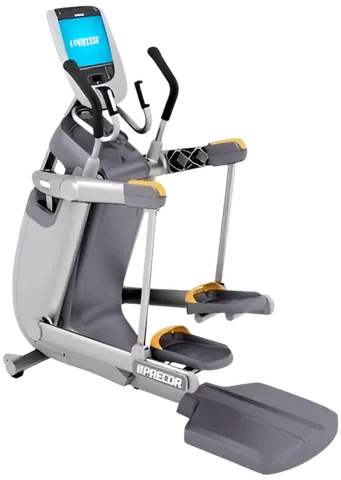
Precor pioneered the category with the AMT, now in its third generation with Open Stride technology and up to a 36-inch stride. Matrix Ascent Trainers bring the same idea to a front-drive frame with an adjustable incline. All units here are remanufactured and warrantied.
1–24 of 31 products
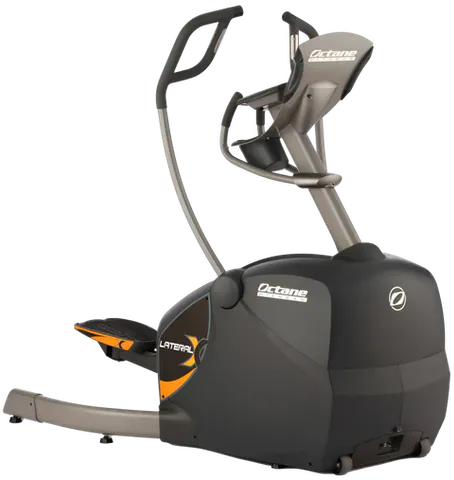
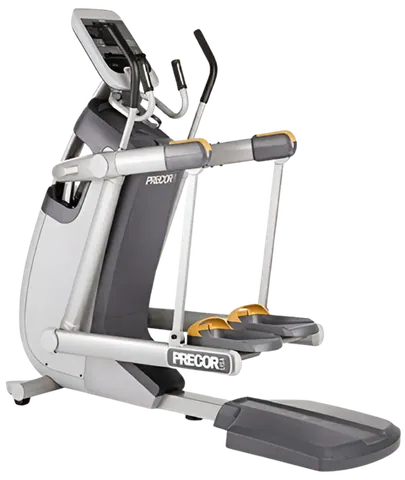
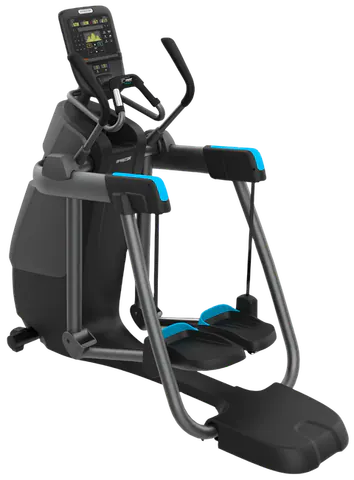
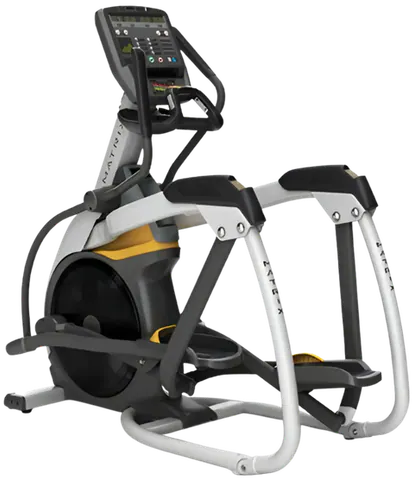
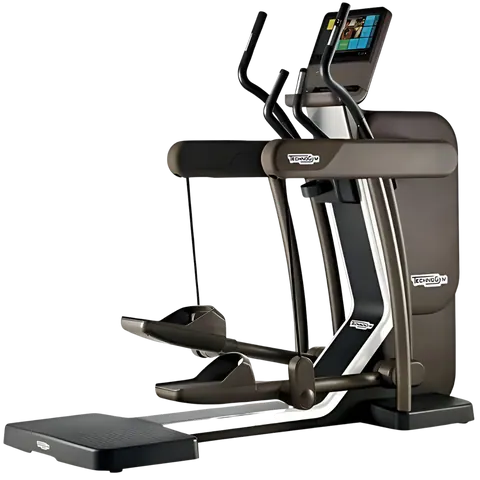
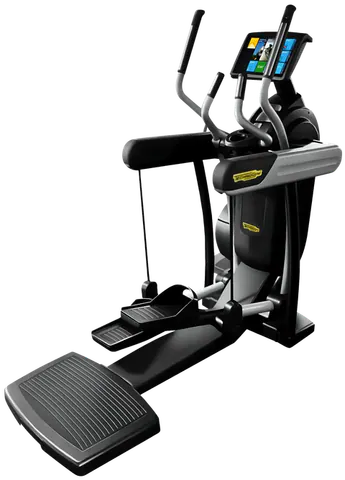
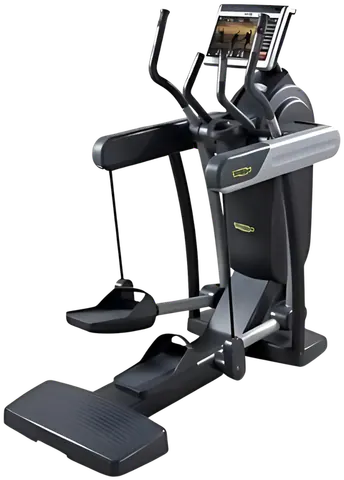
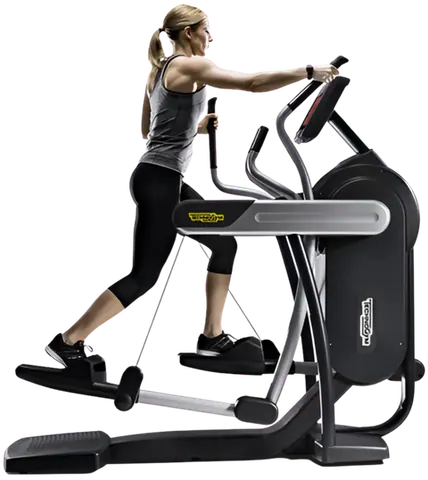
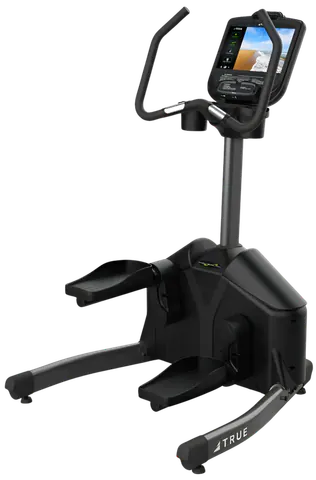
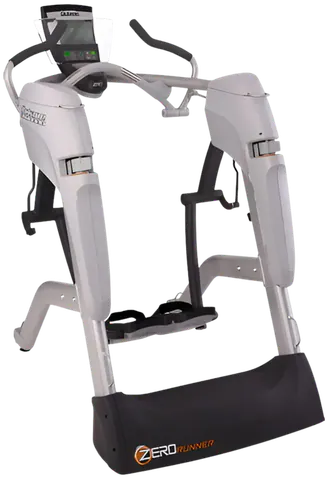
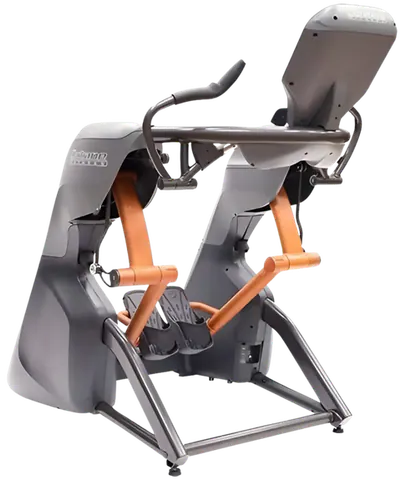
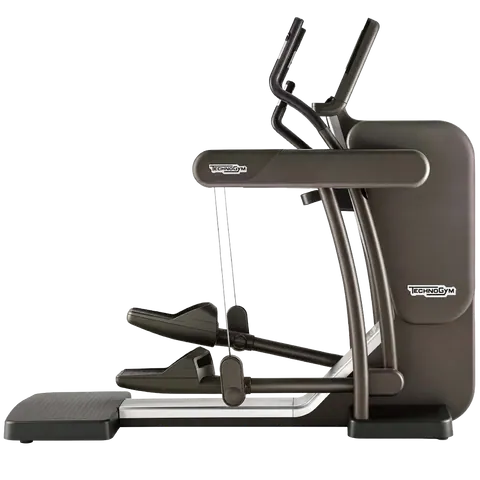
No products match your filters.
Try widening the price range or removing a filter.
More About Adaptive Motion & Ascent Trainers
The AMT 835 and 885 are the most popular adaptive motion trainers in the club market: self-powered, rated for 350 lb users, with Open Stride adjustable step height and a stride-dial display that shows the user their current path in real time. The earlier AMT 100i is a simpler, single-path adaptive trainer that remains a favorite for home gyms and rehab clinics.
Because the motion is user-driven these machines are effective for a very wide range of users — from a seated-stride level for deconditioned members to a full running stride for athletes — on a single footprint of roughly 80 x 35 inches. Ceiling height matters: the user rides high on the pedals, so plan for 8 feet or more of clearance at the top of the stride.
Frequently Asked Questions
How does an adaptive motion trainer differ from an elliptical?
An elliptical has a fixed stride path. An AMT lets the user vary stride length and (on Open Stride models) step height in real time, simply by changing how they move.
What is Open Stride?
Open Stride is Precor's adjustable step-height feature on the AMT 835/885. It lets users change the vertical component of the stride from 6.8 to 10 inches, making it possible to climb or glide on the same machine.
Is the AMT good for rehab?
Yes. The zero-impact, user-defined motion makes it popular in physical therapy for gait retraining and for building endurance after lower-body injury.