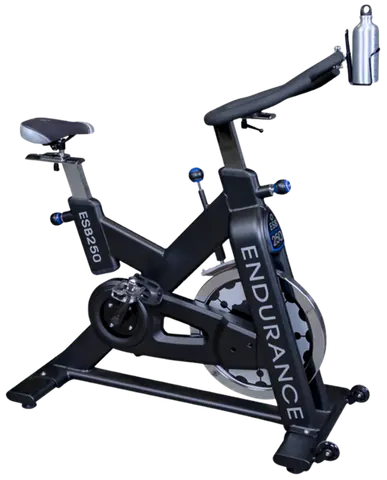
Indoor Cycles & Spin Bikes for Sale
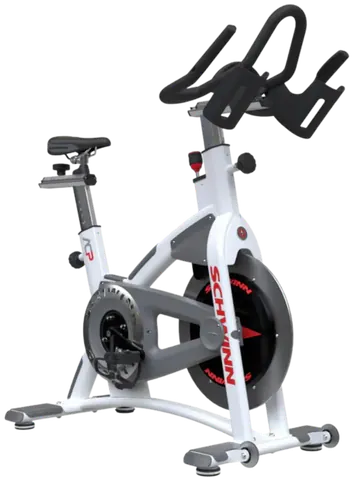
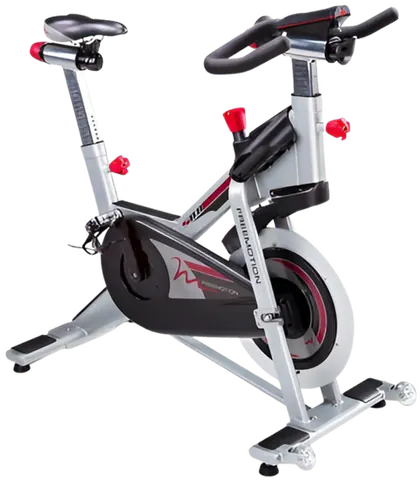
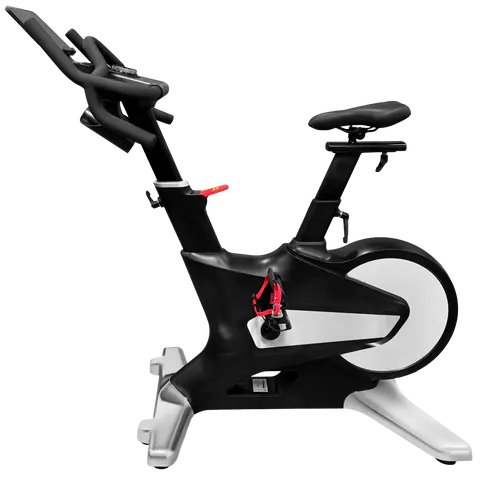
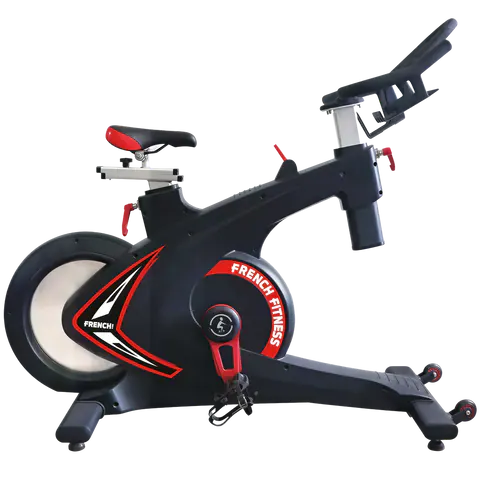
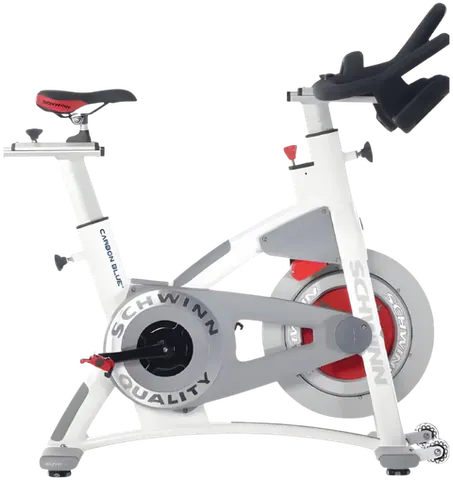
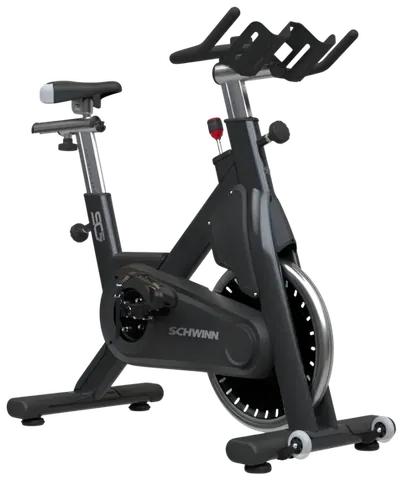
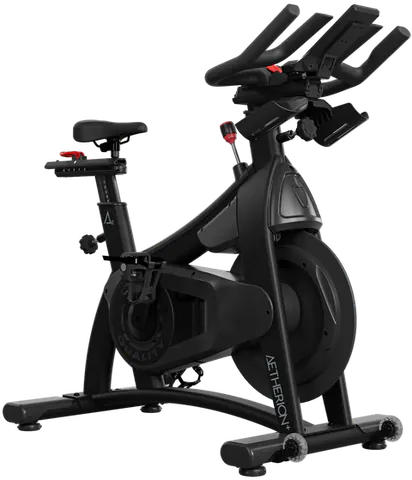
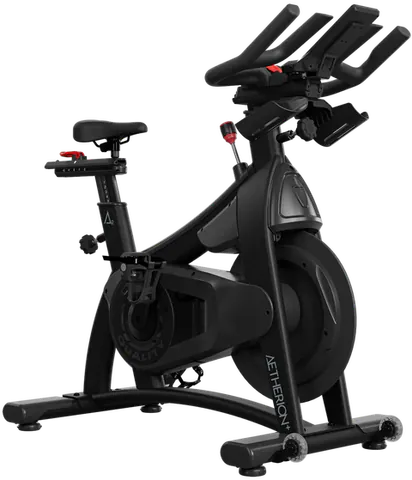
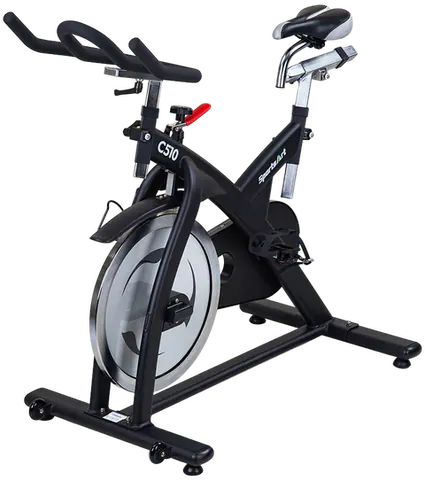
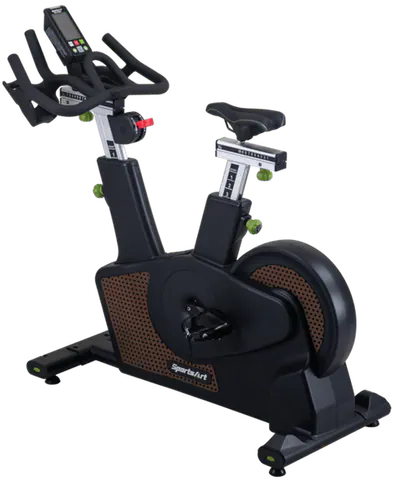
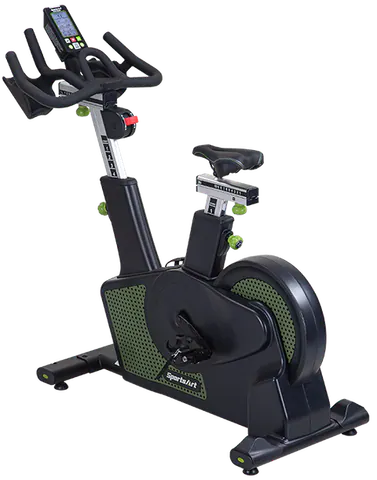
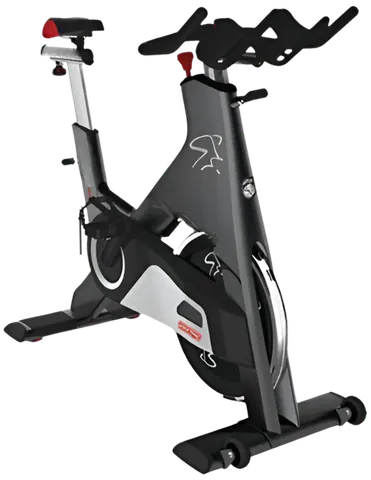
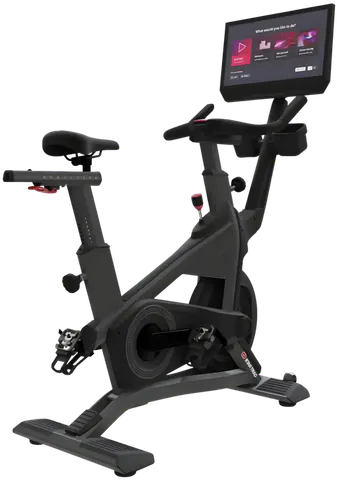
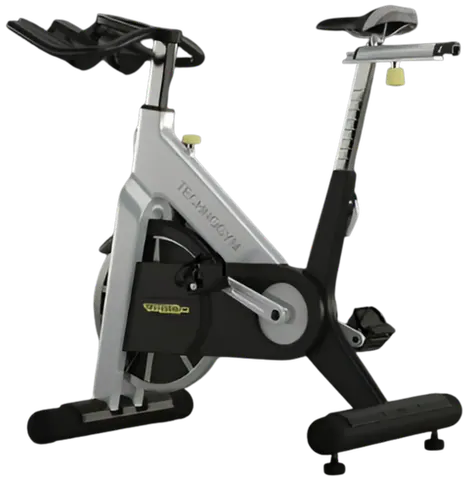
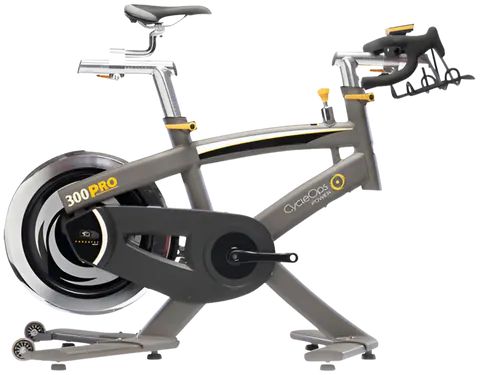
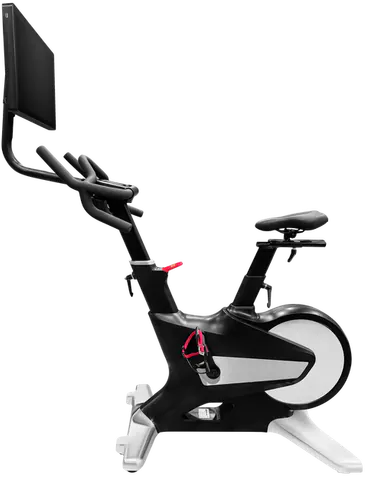
Indoor cycles are built for group cycling classes and high-intensity solo rides: a heavy perimeter-weighted flywheel or magnetic resistance unit, a stiff frame that tolerates standing sprints, and micro-adjustable seat and bar positions to match each rider's fit.
The main choices are drive type (chain or belt), resistance type (friction pad or magnetic) and whether the console reads power in watts. Magnetic belt-drive bikes with power meters are the current club standard; friction-pad chain bikes remain a budget-friendly option.
1–24 of 39 products
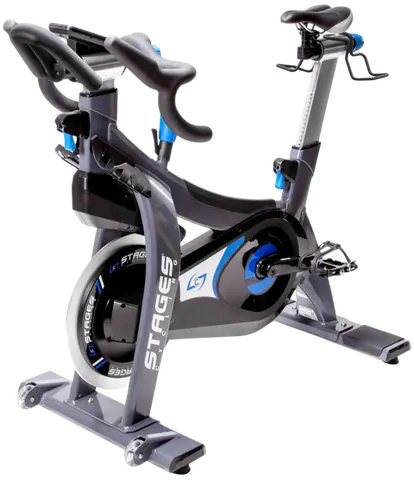
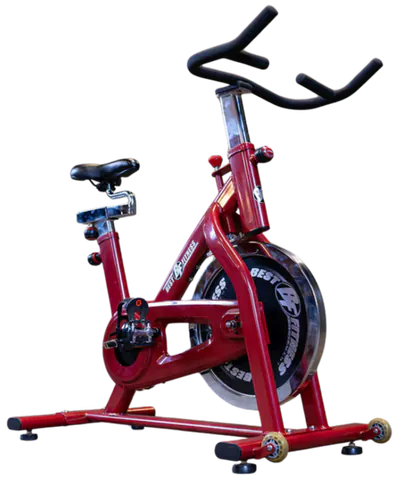
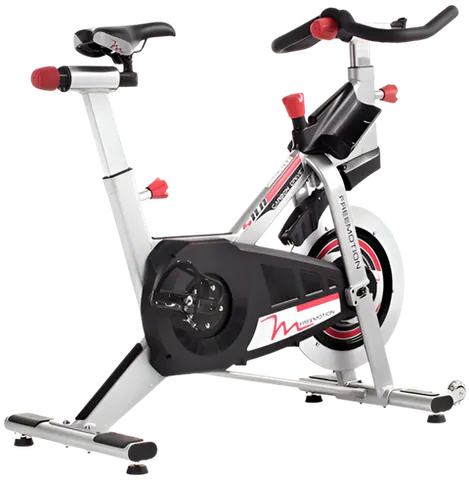
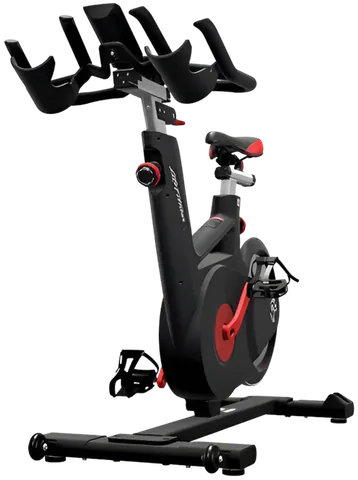
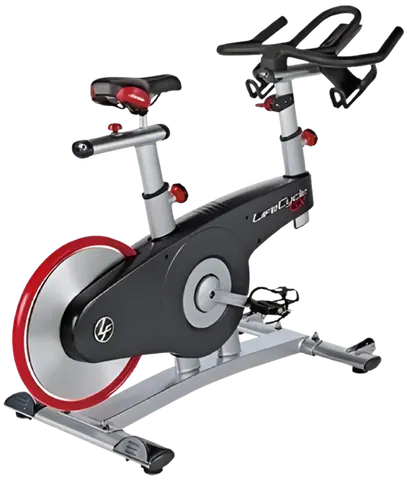
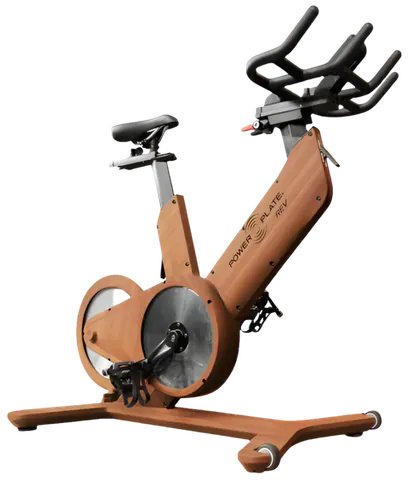
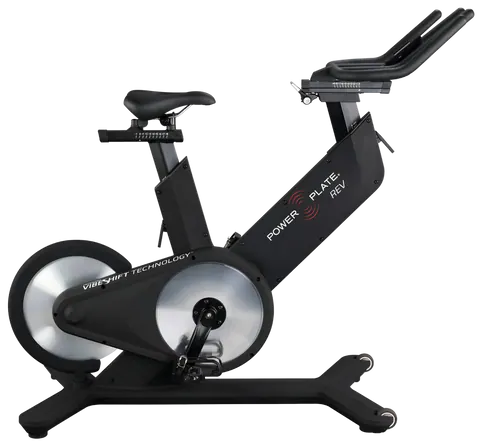
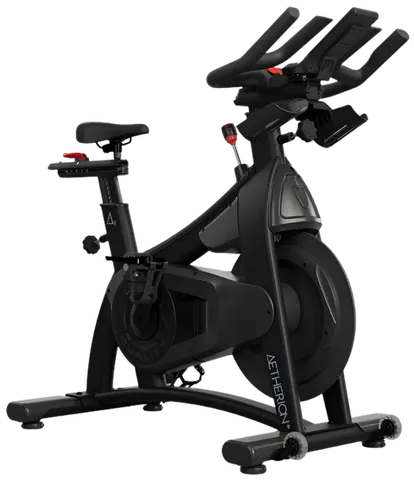
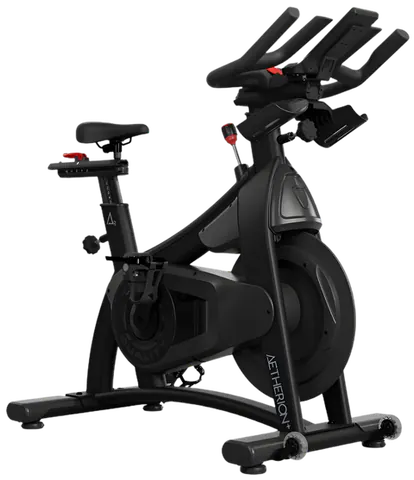
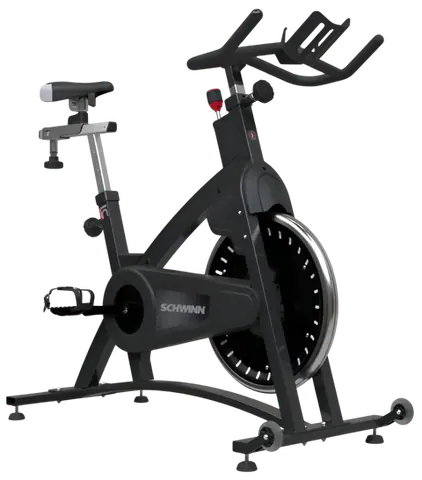
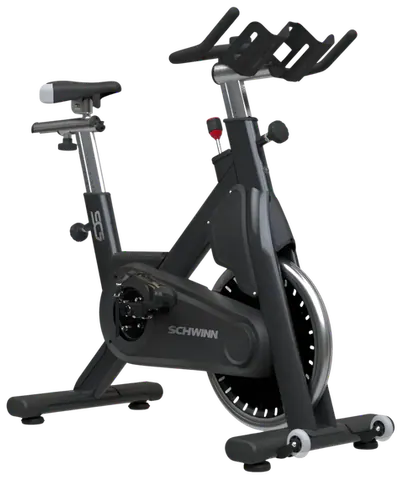
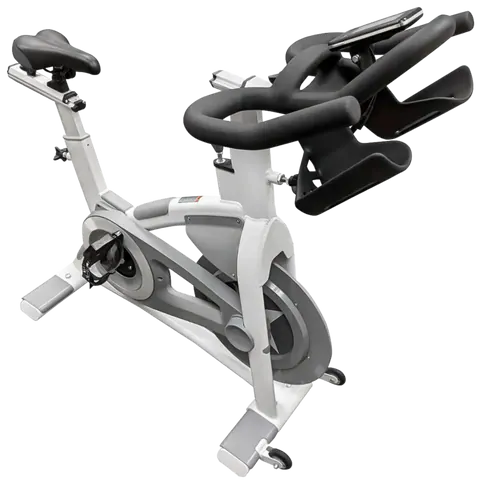
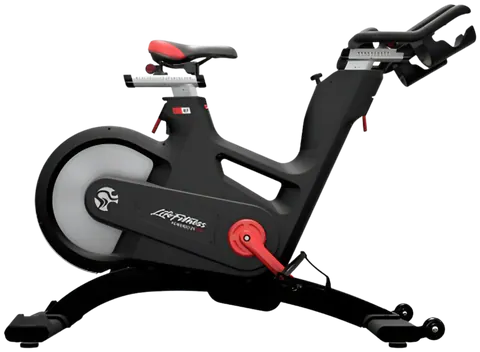
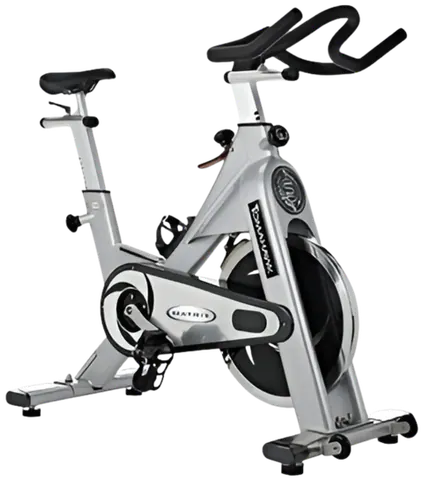
No products match your filters.
Try widening the price range or removing a filter.
More About Indoor Cycles & Spin Bikes
Magnetic resistance never wears out and is silent, which matters when 30 bikes are riding in a class. Belt drives need no lubrication and are quieter than chains. Power consoles from Stages, Keiser and Schwinn let riders train to watts and connect to apps such as Zwift and Peloton-style classes, and are a strong retention tool for studios.
Fit adjustments to check: seat height, seat fore/aft, handlebar height and handlebar fore/aft (four-way adjustability). Pedals should be dual-sided (SPD clip plus toe cage). Because indoor cycles are built to be moved for class layouts, transport wheels and levelers are standard. Remanufactured cycles receive new pedals, bar tape, saddles and belts as needed.
Frequently Asked Questions
Magnetic or friction resistance?
Magnetic is quieter, maintenance-free and more consistent, and it enables accurate power measurement. Friction pads are cheaper but wear out and vary with humidity and pad condition.
Do indoor cycles need electricity?
No. Consoles run on batteries or a small generator. Some app-connected consoles charge via USB but the bike itself needs no outlet.
How many cycles fit in a class room?
Plan about 25 square feet per bike including aisle space. A 600-square-foot studio typically holds 20–24 bikes.